Fit for Success
Interview with Hadija Davidson
Photo courtesy of Getty Images, unless noted
Hadija Davidson, founder and CEO of the wellness training company Ms. Dee Fit, explains how she overcame early-year challenges and has since excelled in a competitive industry.

What inspired you to found your company?
I come from a background of CrossFit and competitive athletic training, but about ten years ago, I struggled with my health. After losing my sister to lupus, I fell into a depression, which caused me to begin stress eating and eventually gain weight. I didn’t realize at the time that it was catching up to me; my doctor explained that I was at risk of diabetes and other health concerns. That huge scare set me straight and led me to take my health and wellness seriously. I wasn’t motivated to stay healthy, though, until I found an appropriate workout plan and had a support system of fitness instructors and family. I ended up losing about forty pounds, and that personal success inspired me to become a fitness instructor.
I started working for a retail gym and formed a substantial client base—unfortunately, this was right before the pandemic shutdown in 2020. Once our gym closed for social distancing, I knew I had to pivot quickly to keep supporting my clients. As is common in the New York City metro area, many were busy professionals juggling several responsibilities, so they highly valued the reliability of a fitness routine. Sure, you can track your wellness with a smartphone app, but you also need someone to coach you through a plan.
So I created my own business to help, forming my model around being busy while still prioritizing wellness. I designed an online platform that offers virtual fitness programs, such as for yoga and HIIT, that people could do from home and provided local outdoor classes as well. I also committed to staying connected with my clients through social media and virtual check-ins, offering motivation and accountability when they needed it most.
How has your business grown since the pandemic?
Coming out of lockdown, I had a community of highly flexible clients because they were at home or furloughed. Making the transition after they all went back into work was a challenge because I felt like everyone got busy again. At the time, I had more in-person clients, but I knew I had to transition to virtual options. One thing that helped was communicating to my clients that fitness isn’t just something that you can stop doing if you want to see results. I would say to them, “Check in frequently, and send me messages so I can consult with you regularly.” This has helped me retain my client base.

What types of services do you offer?
When I started my business, I was ready to build my own brick-and-mortar gym, but I found that the majority of my clients wanted to work out on their own, at home, or at a local gym of their choosing. So they don’t all necessarily come to me consistently for group fitness classes or other in-person services. I do host such sessions for those who are interested and available; that’s another layer of support I offer.
For the most part, though, my business is virtual. My clients generally utilize the Ms. Dee Fit app, where they can plan workouts and track their progress, and on top of that, I check in with them virtually for accountability. In this way, I provide the tech convenience of the app along with direct coaching to help my clients succeed.
I also offer several different membership tiers because I understand that everyone’s fitness journey is unique. Some people need a structured program with one-on-one support, while others just want access to workouts they can do on their own schedule. By providing different programs, I can meet my clients where they are—whether they’re busy professionals, parents, or beginners looking to start their fitness journey. This flexibility ensures that they get the right level of guidance and support without feeling overwhelmed or restricted by a one-size-fits-all approach.

How do you distinguish yourself from other gyms and fitness services?
A lot of people rely on fitness technology, but I aim to make my services more customizable and approachable, especially my app—it’s not a typical one you just click into and out of. For example, I create tailored workouts for each client, and they can enter the app to check off what they’ve done or even share videos with me, which I can respond to and provide tips. I also videoconference with them to walk them through their wellness plans and do check-ins every week. This accountability with direct conversations makes the app feel more supportive.
Further, I discovered from consulting with clients that many had concerns beyond physical health. They often weren’t happy with the way they looked, were using the gym as their only outlet to relieve stress, or struggled to build work-life balance. I thought, This is about more than just fitness; it’s about mental health and making a lifetime commitment to taking good care of yourself. So I merged the two to offer mental-health support and advice on how to relieve stress alongside fitness guidance.
I also make sure to engage with my community through social media, my app, and checkin sessions, sharing not just workouts but also motivational content, wellness tips, and real-life success stories. My goal is to create a supportive environment where clients feel empowered to reach their goals. Plus, having a variety of products like fitness apparel and equipment helps me provide a complete wellness experience that sets me apart from others in the industry.
Relationship building seems vital to your business. Do you have an example of its effectiveness?
I have one customer who’s been with me since the lockdown started. Her initial goal was just to get out of the house and lose five to ten pounds, but I told her that she should prioritize a healthy routine that involves sufficient exercise and good nutrition. And she’s been consistently putting effort into her fitness and diet, which is because I took the time to really get to know her personality, background, routines, and schedule. Ultimately, I’m able to earn long-standing clients because I focus on building connections and relationships, and that all starts with me making the commitment to plan out their schedules and make changes together. Being flexible helps, too, adjusting my availability to suit their needs. I’m dedicated but not too hard on them since I’m realistic with their goals and lifestyle demands.
What’s next for Ms. Dee Fit?
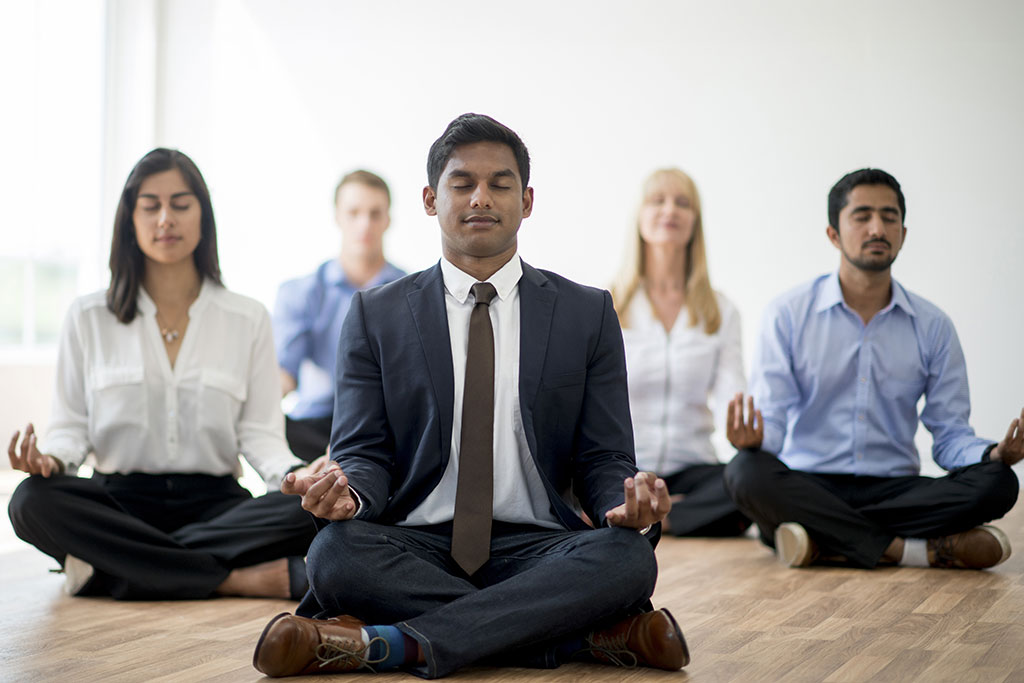
My next focus is to work with some large companies. Many corporate buildings here in New York City provide gyms for employees—a lot of businesses are encouraging fitness, diet, nutrition, and stress relief as part of the wellness packages in their health-care plans. I see this as another outlet for me to have a voice and promote my services to guide people to reach their goals.
I also want to relaunch a youth program, which I had previously conducted a temporary trial for. I feel like parents are eager to bring their children along with them to work out, giving kids a break from devices and helping them focus on fitness. Then again, some clients say that they enjoy this time away from their kids, so I’ll take it on a case-by-case basis. I always try to customize my offerings to each client’s unique situation.
730 Views
Related Posts





Popular Posts