Building a Business Security System
Discover how to create a robust protection plan to secure your company’s facility and the valuable assets within it.
Threats to your company’s physical facility can jeopardize your assets, reputation, and business operations—however, you can mitigate these risks with a well-planned security system. Utilize this guide to help you select the best one for your company.
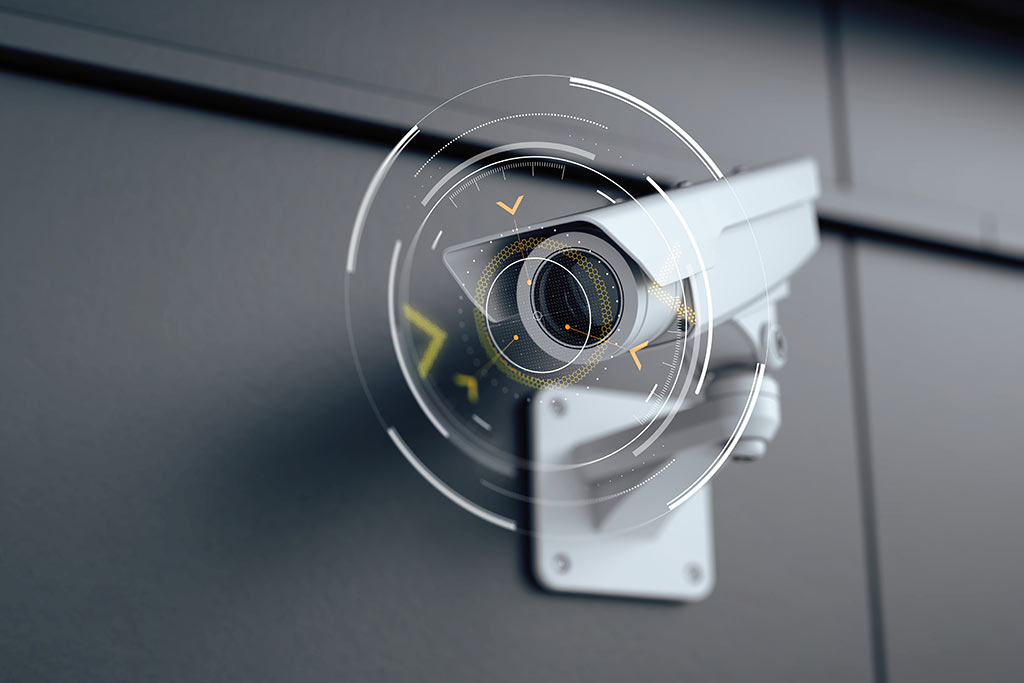
Conduct a security overview
To begin, assess your company’s specific safety needs and vulnerabilities. Factors to look at include your equipment and other assets, the location and size of your facility, and whether any areas need stronger protection. Equally important to examine are potential entry points, such as doors and windows, and weak spots in your premises’ perimeter. To help ensure that nothing gets overlooked, consider consulting with a professional security auditing firm, whose experts can provide a thorough evaluation.
Research your options
Once you understand your company’s requirements, you can start shopping around to get a gauge of your options. Balance effective protection with what you can afford, taking into account a system’s reliability, the vendor’s reputation, and the overall costs of the equipment and installation. Pricing can vary widely based on the size of your building or property, the complexity of your security needs, and the quality of the equipment you choose, but you can expect to pay at least $1,000 in total up-front expenses for a standard system. If needed, there are many financing options that may be available, including a bank loan or line of credit; some companies may even offer financing directly through them.
Another consideration is professional monitoring, which can give you access to a team of professionals who will watch your system around the clock for security breaches and promptly notify the authorities if necessary. Just make sure to factor in the extra expense; this feature can have a monthly price tag of about $40 to $100.
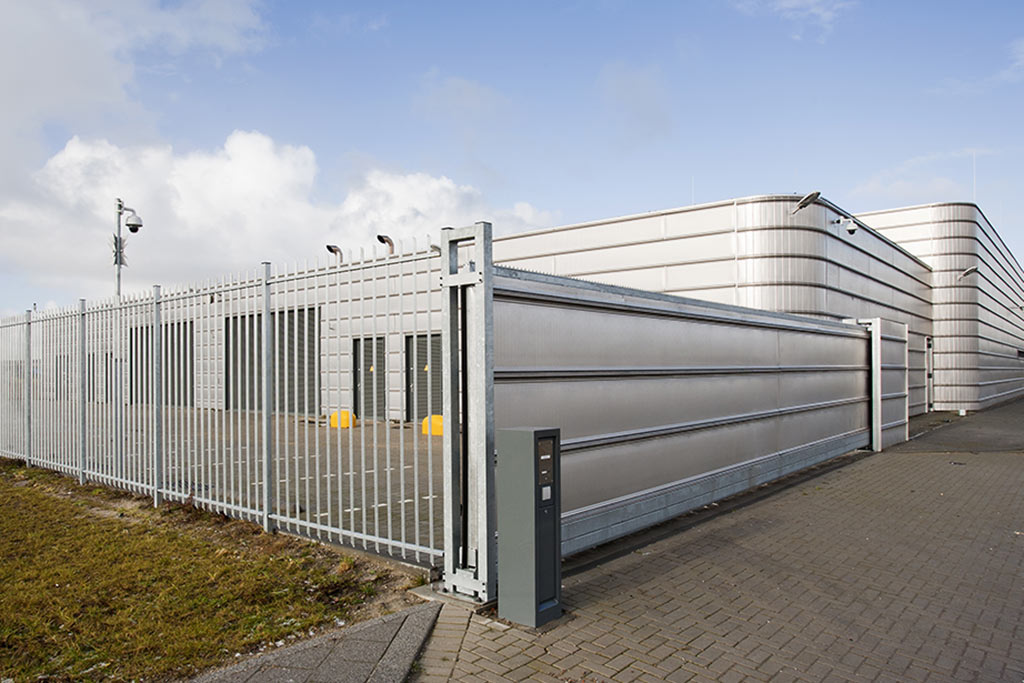
Select your components
Naturally, what you include in your security system will depend on your needs, but here are four common features any good one should have.
Cameras
Surveillance cameras are a vital part of most commercial security systems, serving as a watchful eye over the property and acting as a deterrent. There are many different kinds to suit a variety of purposes. For instance, to monitor a large area, such as a warehouse or parking lot, opt for ones that can pan, tilt, and zoom to get a wide view without compromising helpful detail. If you need outdoor monitoring, look for equipment that can withstand weather conditions. And while more expensive, highresolution cameras with night vision or wide-angle lenses may provide clearer and more informative images, making it easier to identify potential threats or intruders.
Physical access control system (PACS)
A PACS can be a useful addition due to its ability to restrict access to specific areas, including employee-only zones and those containing sensitive equipment. It might include an access point or physical barrier, such as a locked gate, door, or fence, and use a reader or keypad to evaluate credentials like a PIN, key card, or biometrics (e.g., facial recognition). With such strict safeguards, you can be better assured that only permitted individuals are entering your facility or certain spaces within it.
Alarms
These sensors can immediately alert you (or your monitoring service) to an unauthorized entry in a designated area, identifying events like motion, tampering of doors or windows, and even broken glass. Choose between one that either sounds a loud blare to chase away any trespassers or is completely silent to avoid sending them running, helping ensure that they’re caught by the authorities.
Lighting
Don’t forget about the importance of lighting, which can deter criminals and create a safer environment for employees and customers. You have many options to choose from. Strobe lighting, for instance, can be triggered via motion sensors to scare off intruders, while dusk-to-dawn fixtures can automatically switch on after the sun sets. And for areas that need heightened security, flood lights can be an optimal choice.
Train your staff
As safe and secure as technology can help make your workplace, human vigilance is equally important—if not more so. After all, restricted access and monitoring can quickly become moot if employees are lax about letting in unauthorized individuals, poor at identifying threats, and unsure of how to respond effectively to incidents. Conduct training sessions at least annually to keep your team wellinformed and prepared regarding any relevant security measures.
Investing in a comprehensive security system is a decision that can significantly enhance your business’s overall well-being, so don’t wait to get started. Assemble one of your own today, and gain greater peace of mind that your enterprise is protected.
TAKE ACTION:
Conduct a thorough assessment of your premises to identify which security features may work best for your business.
1613 Views
Related Posts





Popular Posts