The Business of Elder Equine Care
Photos courtesy of: Ryerss Farm For Aged Equines
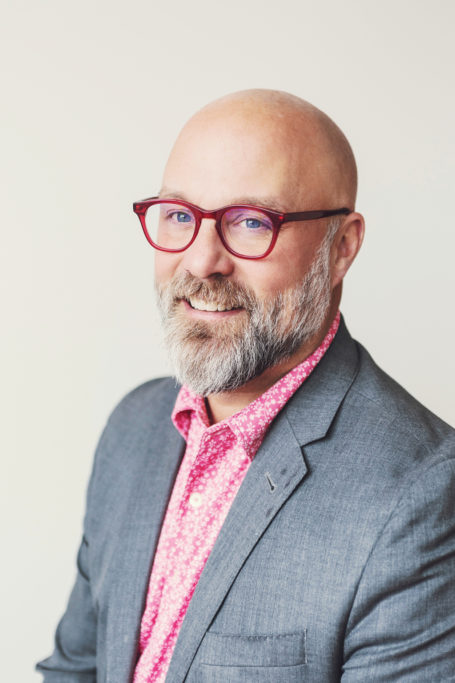
Samuel Griffin, president of Ryerss Farm for Aged Equines in Pottstown, Pennsylvania, discusses what it takes to run his organization, the country’s first horse rescue and retirement farm and the oldest nonprofit horse sanctuary in America.
Tell us about how Ryerss Farm came to be:
During the Victorian era, horses were considered to be mere machinery. Our founder, Anne Waln-Ryerss, had compassion for these animals and was one of a growing number of people at the time who insisted that horses should be cared for. Our farm grew out of that movement. Anne was a dedicated animal advocate during her lifetime, as were her and her husband’s families, helping to create both the Pennsylvania SPCA and the American Anti-Vivisectionist Society. We opened in 1888, thanks to money she left for building a place that cared for older and injured animals.
How big is the farm today, and what takes place there?
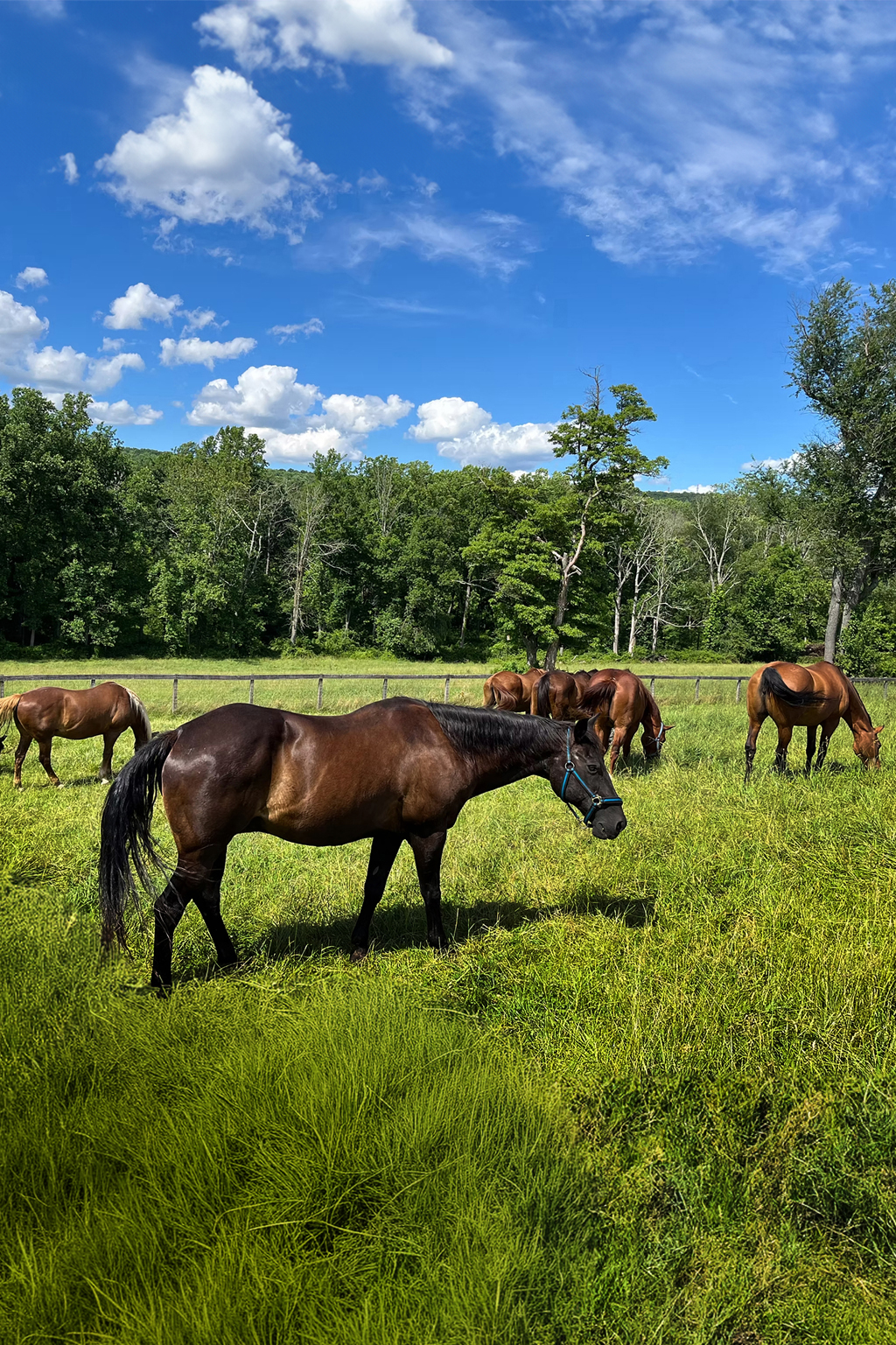
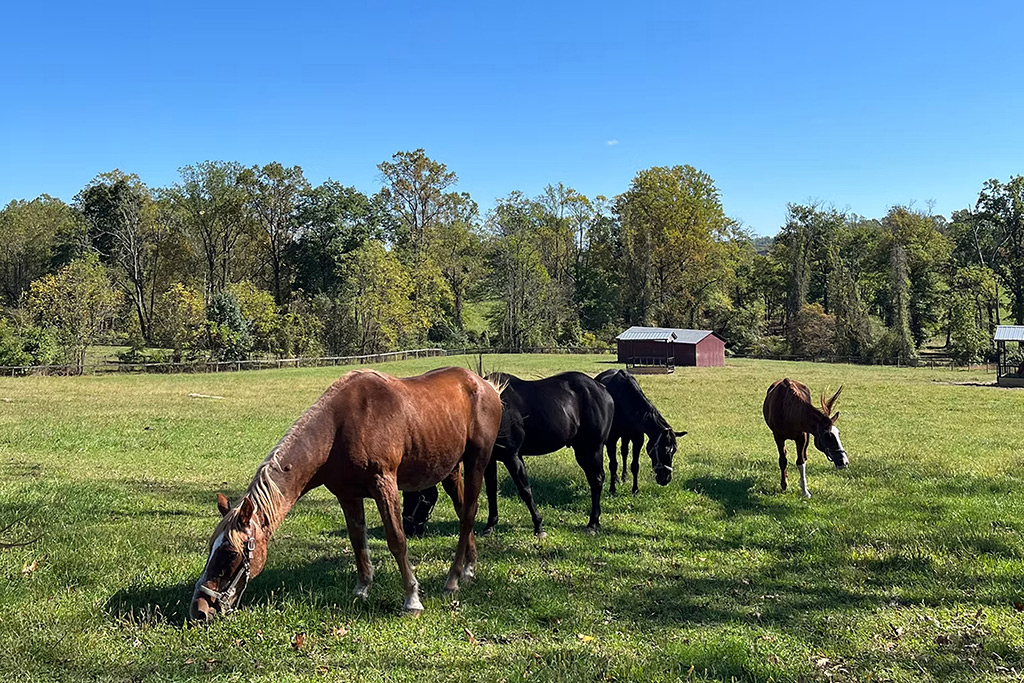
We own around four hundred acres and around eighty stalls. At any given time, we have from seventy-nine to eighty-five equines living here—not only horses but also mules and donkeys. We’ve housed just about every equine other than zebras.
When we settled into our current location, we preserved the land for agricultural use only to support as many animals as we could. Half of it is dedicated grazing space for the animals, and the other half is farmland. We grow our own hay, straw, and corn and sell the corn on the open market. Overall, it’s a big operation.
Are you open year-round?
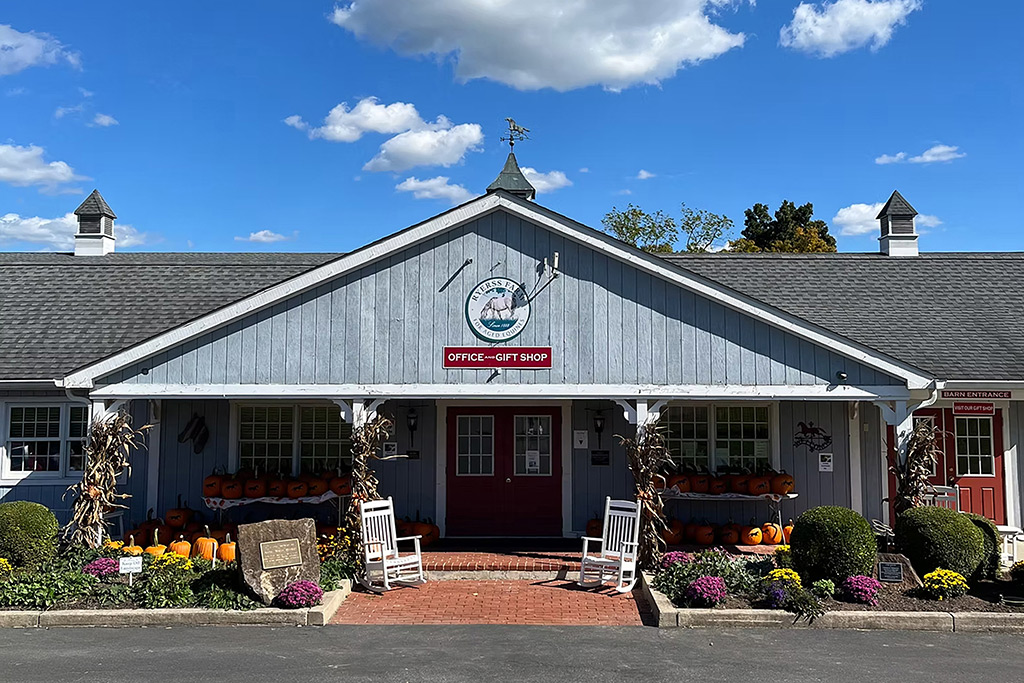
Yes, 365 days a year from 10:00 to 4:00, with free admission. We’ll sometimes close for a holiday, although people have been known to just show up to see the horses on Christmas morning.
What’s it like to run a year-round organization and farm that cares for dozens of equines?
There’s a huge amount of work involved. Our farm manager, Cory Mowrer, takes care of all the farm operations, doing so much of the overall work. But it’s also handled by a few other full-time employees, including an on-site, live-in veterinarian, and around one hundred volunteers. It’s basically like running a retirement home for horses. However, none of the people who do it would say it’s work because they all love caring for the animals. That’s why we have almost no turnover.
My house is actually right next to the farm, so I can see everything happening firsthand even when I’m at home. For example, we produced about forty to forty-five acres of corn last year. Watching it grow all season and then get harvested in fall just reminded me about how much goes into running this place. I find it astounding.
What’s the most challenging aspect of running the business?
You’d probably get a different answer from every person here. For me, it’s financial because I wake up every morning thinking about how we’re going to make ends meet. For others, the biggest challenge is keeping the farm in order. In addition to caring for our animals, we have a lot of buildings with a lot of roofs and plumbing, for example, and it’s always a roll of the dice every year determining what crops to sow and where—all the worries of a farmer. Cory’s an excellent one, and he approaches it very intelligently.
Supply and demand is always a critical part of running a business. How is that balance for Ryerss?
Demand is not quite as huge as it was when I first got here, only because we accepted most horses on our waiting list, yet we’d never see many of them. That list has only gotten bigger, so for horses to be on it now, we ask their owners to pay a $250 fee, which goes toward their horse’s entrance fee to live here. If they never show up, it’s considered a donation to Ryerss. This better ensures that people who put their horses on our list are serious about it.
Our waiting list extends out about two and a half to three years. To secure a spot, some people put their horse on the list when it’s quite young and then wait years for it to turn twenty, our minimum age limit. Others put it in their will that their horse is to come here if it outlives them.
Being a locally based nonprofit, how do you raise capital?
About 40 percent comes from charitable donations, and we have a $10,000 admittance fee for each horse that’s brought in, which pays for its care for a year and a half to two years. We also hold annual events to raise money.
We’re playing the long game here as far as I’m concerned. For instance, if we have a thousand visitors and one hundred of them turn out to be well off, maybe two out of that one hundred wind up not having any children and don’t know where they’re going to leave their money. Ideally, we want them to donate it to Ryerss.
You mentioned events. How many do you have each year, and what role do they serve in the grand scheme of things at Ryerss?
We started holding them for consistent visibility and awareness, so that people would come and see us and know what we do, and to raise a little money. In autumn, for instance, we hold our birthday gala, a fundraising brunch and auction; and in December, a free holiday event, which is a big draw.
In spring, we have a 5K run/1K walk that goes around the farm; that’s gotten bigger every year. And during summer, we have our Family Fun Day, which includes family-friendly food and activities. Everything is bought through tickets, which we sell for a dollar each, and nothing costs more than about five tickets. We also host summer camps where kids learn about horses and farming, encouraging future interest in both.
How crucial are your volunteers to your success?
They’re the key to the whole thing. And I don’t mean just the volunteers cleaning the stables but also our board of managers, which is comprised of nine volunteers with horse backgrounds, and our board of advisors. All these people are normally quite busy, yet they make sure to give their time to the farm. There are only about five or six paid staff in the whole shooting match here, such as the office manager, animal welfare manager, and farm manager.
What does Ryerss mean to its community?
That’s a good question. This part of Chester County is becoming suburbanized, but Ryerss will always be evergreen. People here know we’re never going to move, which provides a sense of stability in changing times. And, of course, because of the influx of visitors we get, it’s great for the community as a whole. I think we’re an important piece of it.
What’s the best part of this venture for you?
I grew up with horses; my grandparents and parents both had them. I was a rider from a young age, which I enjoyed immensely, and I was always very attached to our horses. In fact, I was retired when some friends of mine on the board of managers here asked if I’d like to join them, which was a no-brainer. I’ve been here fifteen years now after my first “retirement,” which is a testament to how much I love Ryerss, its staff, and its residents. Every person is here for a greater purpose, which makes all the effort the farm requires well worth it.
For more info, visit ryerssfarm.org
139 Views
Related Posts





Popular Posts